 HutuatreChagau275
Learn how to train aggressive dogs with effective techniques, understand triggers, and build long-term behavioral improvement with this.
Aggressive behavior in dogs can create serious challenges for owners and communities. Many dogs show signs of aggression due to fear, lack of socialization, or past trauma. With the right training approach, owners can guide their dogs toward calmer and more controlled behavior.
The following Fayetteville Dog Training will discuss about learn how to train aggressive dogs with effective techniques.
Understanding Aggressive Behavior in Dogs
Dogs express aggression for several reasons, and each case requires careful observation. Some dogs react aggressively when they feel threatened, while others guard food, territory, or owners. Understanding the root cause helps owners choose the most effective training approach.
Body language plays a crucial role in identifying aggression. Growling, stiff posture, raised fur, and direct staring often signal discomfort or warning. Owners who recognize these signals early can prevent escalation.
Different breeds may show different tendencies, but environment and upbringing influence behavior more than genetics alone. Proper training and consistent interaction shape a dog’s response to various situations.
Common Triggers of Aggression
Aggression often starts with specific triggers that create stress or fear. Loud noises, unfamiliar people, or sudden movements can provoke a strong reaction. Dogs that lack early socialization often struggle to adapt to new environments.
Territorial behavior also contributes to aggression. Dogs may react strongly when strangers enter their perceived space. This reaction reflects instinct rather than intentional hostility.
Pain or health issues can also influence behavior. A dog experiencing discomfort may react defensively when someone approaches. Regular veterinary checkups help identify underlying conditions that may contribute to aggression.
Also Read: Dog Training Secrets That Turn Any Puppy Into an Obedient Companion
Effective Training Techniques for Aggressive Dogs
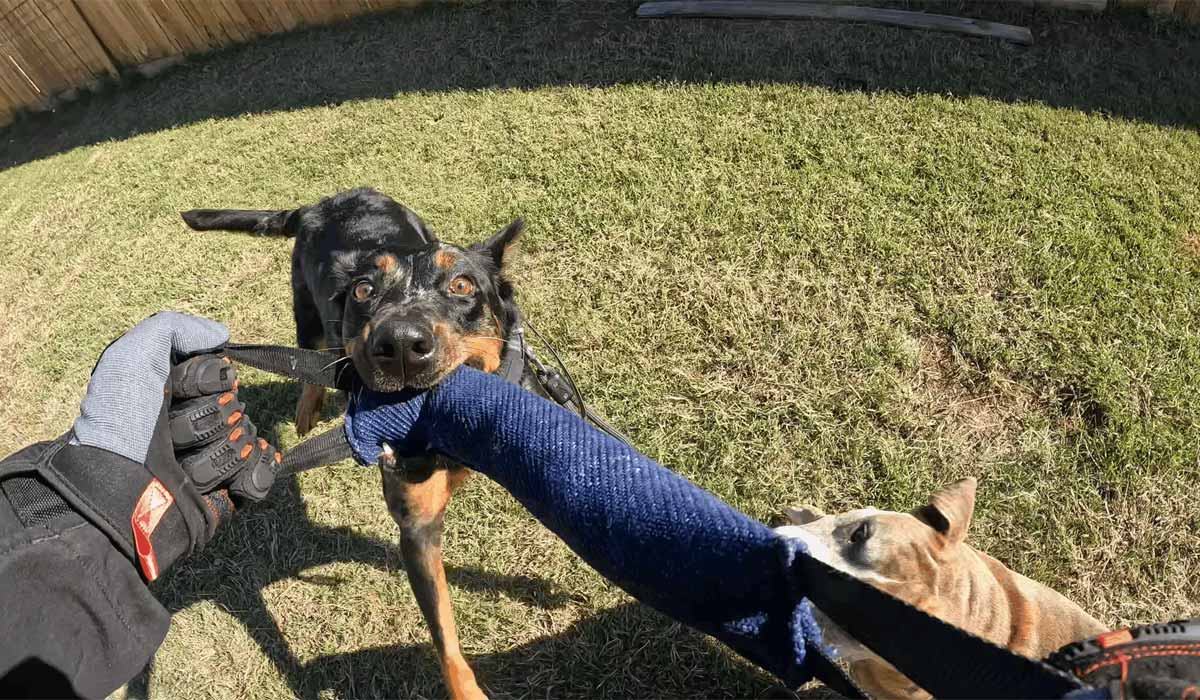
Training an aggressive dog requires patience, consistency, and a structured approach. Owners must focus on building trust while guiding the dog toward better behavior. Positive reinforcement stands as one of the most effective methods in modern dog training.
Reward-based training encourages desired behavior through treats, praise, or play. When a dog responds calmly to a trigger, the owner provides a reward immediately. This approach helps the dog associate calm behavior with positive outcomes. Over time, the dog begins to choose calmer responses naturally.
Desensitization plays a key role in reducing aggressive reactions. Owners gradually expose the dog to triggers at a low intensity. For example, if a dog reacts aggressively to strangers, the owner introduces a person at a safe distance. As the dog remains calm, the owner slowly decreases the distance. This gradual exposure helps the dog build confidence without feeling overwhelmed.
Mistakes to Avoid During Training
Many owners unintentionally reinforce aggressive behavior through incorrect actions. Punishment-based methods often increase fear and anxiety, which can worsen aggression. Dogs respond better to guidance than intimidation.
Inconsistent rules create confusion. When one person allows certain behavior while another restricts it, the dog struggles to understand expectations. Clear and consistent boundaries improve learning outcomes.
Ignoring early warning signs can also lead to escalation. Growling or snapping serves as communication, not defiance. Owners who address these signals early can prevent more serious incidents.
Long-Term Management and Prevention
Long-term success depends on consistent effort and awareness. Regular exercise helps reduce excess energy that may contribute to aggressive behavior. Mental stimulation, such as puzzle toys or training sessions, also keeps dogs engaged.
Socialization remains essential throughout a dog’s life. Controlled exposure to different environments, people, and animals builds confidence and adaptability. Dogs that feel comfortable in various situations show fewer aggressive tendencies.
Owners should also maintain a calm and assertive presence. Dogs often mirror human energy, so confident leadership creates a stable environment. With dedication and the right approach, aggressive behavior can improve significantly over time.
Image Information Source:
- Main Image from www.thecollarclubacademy.com
- Second Image from speciesk9.com
