HutuatreChagau275
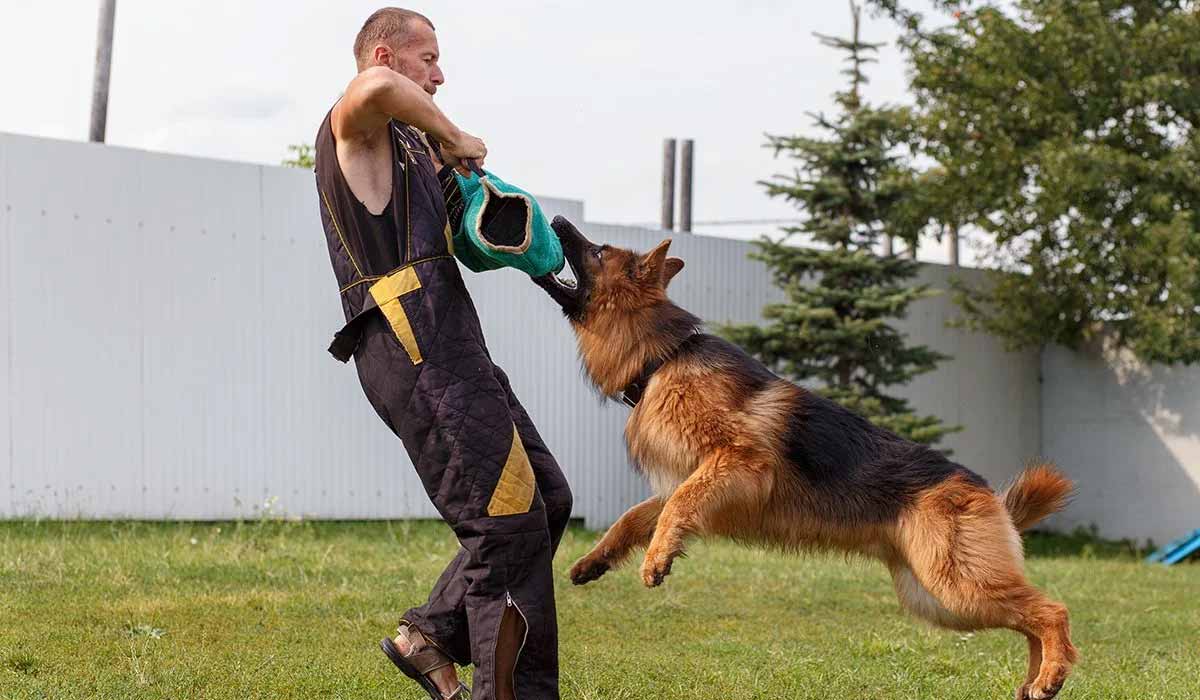
How to train an aggressive dog using the right techniques, from understanding the causes of behavior, building discipline.
Aggressive behavior in dogs often causes concern for owners. Many factors trigger this behavior, ranging from fear, lack of socialization, to past negative experiences. Owners need to understand that dogs do not show aggression without reason. They usually react to uncomfortable environments or perceived threats.
Watch and keep following the latest and most viral information only on Fayetteville Dog Training.
Understanding the Causes of Aggression
Owners need to identify the main causes of aggression before starting training. Many dogs show aggression due to fear of strangers or other animals. This condition often appears when dogs lack early socialization. A harsh environment can also trigger defensive responses.
In addition, dogs that feel threatened often use aggression as a form of self-protection. They may bark, growl, or even attempt to bite to maintain distance. Owners must carefully read a dog’s body language to recognize early signs of tension.
Understanding the root causes helps owners choose the right approach. Without this understanding, training may become ineffective and even worsen the dog’s condition.
Building Trust and Discipline
Owners need to build a strong relationship with their dog through trust. Dogs are more receptive to training when they feel safe with their owners. A sense of comfort can be created through attention, consistent routines, and positive daily interactions.
Discipline also plays an important role in training. Owners must establish clear and consistent rules. For example, they should discourage behaviors such as biting or attacking. Consistency in commands helps dogs understand boundaries more quickly.
In addition, owners should use a firm but calm tone of voice. This approach helps dogs understand instructions without feeling threatened. With a balance of trust and discipline, the training process becomes more effective.
Effective Positive Training Techniques
Training aggressive dogs requires the right techniques for optimal results. Owners can use reward-based methods to reinforce good behavior. When a dog shows calm behavior, the owner can give treats or praise. This method helps dogs associate positive behavior with pleasant outcomes.
It is also important to avoid physical punishment. Harsh punishment increases fear and can worsen aggression. A stressed dog becomes harder to control. Owners should focus on building trust rather than instilling fear.
Gradual training also helps dogs adapt. Owners can introduce new situations slowly, such as meeting strangers or other dogs. This helps dogs learn to handle stimuli without overreacting.
Also Read: Dog Training Tips You Need to Know to Make Your Life Easier!
The Role of Socialization in Reducing Aggression
Socialization is one of the key factors in overcoming aggressive behavior. Owners should introduce dogs to different environments, sounds, and individuals from an early age. This process helps dogs feel more comfortable in new situations.
Owners can take dogs for walks in public places with controlled levels of activity. Interaction with other animals should also be done gradually. Each encounter must remain safe and well-managed.
In addition, socialization helps build a dog’s confidence. Dogs that are accustomed to social environments are less likely to feel threatened. They become calmer and respond better to various situations.
Consistency and Patience in the Process
Training an aggressive dog requires time and patience. Owners should not expect instant results. Every dog has a unique character and adaptation level. Therefore, consistent training is essential.
Owners should train their dogs regularly with a structured schedule. Short but frequent sessions often yield better results than long, infrequent ones. Consistency helps dogs understand patterns and expectations.
In addition, owners need to remain emotionally stable during the training process. A calm attitude from the owner influences the dog’s response. With patience and the right approach, aggressive behavior can gradually decrease and become more manageable.
- Main Image from K9 of Mine
- Second Image from petWell Australia