HutuatreChagau275
Learn how to train him to be safe, obedient, and calm discover effective strategies ranging from positive reinforcement, desensitization, to basic.
With proper environmental preparation, consistency, and professional support, you can manage your dog’s aggressive behavior without causing stress. This guide will help strengthen your relationship with your pet, create a harmonious home, and ensure the safety of all family members.
Watch and keep following the latest and most viral information only on Fayetteville Dog Training.
Understanding Aggressive Dogs
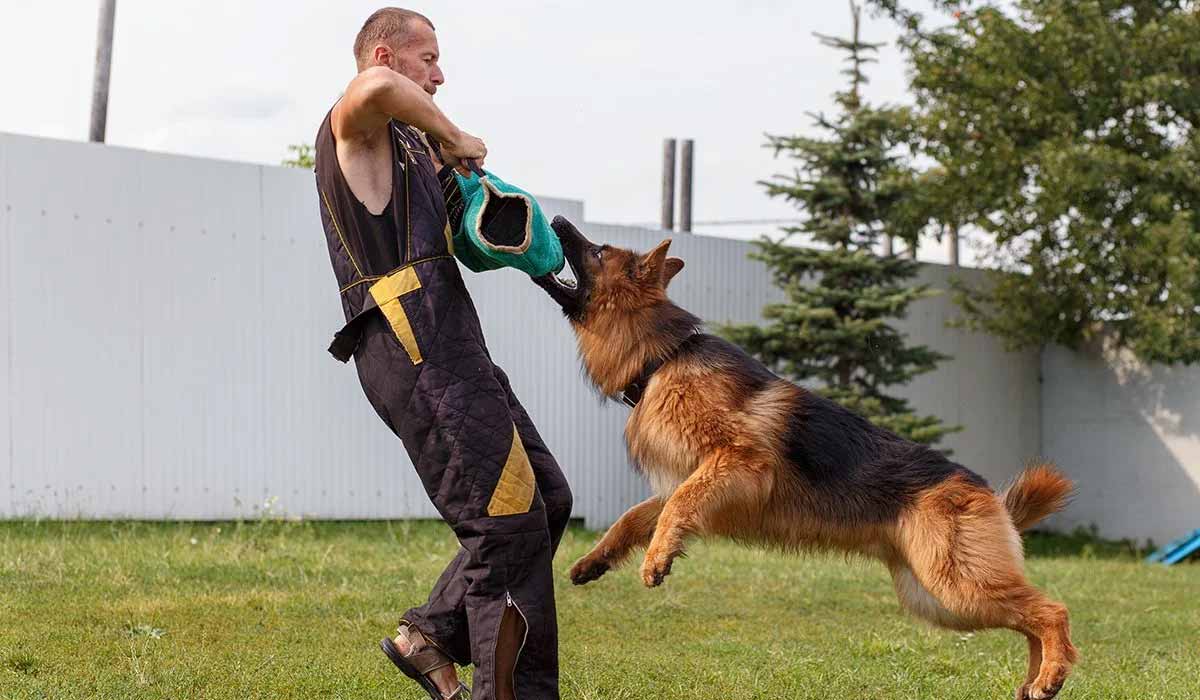
An aggressive dog is a dog that exhibits aggressive behavior, excessive barking, or threatening behavior toward humans or other animals. This behavior can be caused by genetic factors, traumatic experiences, lack of socialization, or excessive fear.
Aggression in dogs can manifest in various forms, such as biting during play, persistent barking when strangers are present, or marking territory with dominant behavior. Owners should understand that aggressive behavior is not always a sign of “naughtiness,” but rather a signal that the dog is experiencing stress or discomfort.
Furthermore, it is important to understand the level of aggression in a dog. Some dogs are only aggressive toward other animals, while others can be aggressive toward humans. Understanding these patterns helps owners determine appropriate and safe training strategies for all parties.
Preparation Before Training an Aggressive Dog
Before training an aggressive dog, owners should prepare a safe and calm environment. The training area should be free of distractions and large enough for the dog to feel comfortable moving around. Additionally, owners need to prepare basic equipment such as a leash, an appropriate collar, distraction toys, and treats as rewards.
Owners also need to understand the dog’s personality and intelligence level. Every dog has a different temperament, so a method that works for one dog may not be effective for another. This knowledge helps owners tailor their training approach to be more effective.
Besides physical preparation, mental preparation is also crucial. Training an aggressive dog requires patience, consistency, and emotional control. Owners must be prepared for slow progress and the possibility of relapses in aggressive behavior during the training process.
Training Aggressive Dogs
One effective training method is positive reinforcement, which involves rewarding or praising the dog when it displays good behavior. For example, giving a treat when the dog is calm when meeting a stranger or other animal. This method helps the dog understand the desired behavior without instilling fear.
A second method is desensitization and counter-conditioning. This technique involves gradual exposure to aggression triggers in a controlled environment. For example, if the dog is aggressive toward visitors, the owner can introduce the stranger from a distance while rewarding the dog when it remains calm.
Furthermore, it is important to use basic commands and physical control. Training a sit, stay, or come when called helps the dog focus and reduces aggressive behavior. The use of a leash or special collar must be done correctly to ensure safety and avoid causing pain that could exacerbate aggression.
The Importance of Consistency and Professional Assistance
The success of training an aggressive dog depends heavily on the owner’s consistency. Training should be done regularly, on a set schedule, and every family member should use the same rules. Inconsistency can confuse the dog and exacerbate aggressive behavior.
Furthermore, consultation with a professional trainer or behavioral veterinarian is highly recommended. Professionals can assess the level of aggression, provide appropriate strategies, and help handle more complex cases. This assistance also reduces the risk of injury to the owner or other animals.
Image Source:
- First Image from k9ofmine.com
- Second Image from k9ofmine.com