Transform Your Dog Fast: Must-Have Training Tools Every Owner Needs
Discover essential dog training tools to improve obedience, behavior, and communication, learn how to train your dog effectively.
Training your dog is one of the most rewarding parts of being a pet owner. A well-trained dog is not only easier to manage but also happier, safer, and more confident. However, successful training requires consistency, patience, and the right tools. Dog training equipment is designed to improve communication between you and your pet.
The following Fayetteville Dog Training will discuss about Discover essential dog training tools to improve obedience.
Training Collars and Harnesses
Collars and harnesses are fundamental tools in dog training. They provide control during walks and help guide your dog’s behavior in different environments. Choosing the right type depends on your dog’s size, breed, and training needs.
Harnesses are often preferred for beginners because they distribute pressure evenly and reduce strain on the neck. Training collars, when used properly, can help correct pulling or excessive excitement during walks.
It’s important to use these tools responsibly and humanely. Proper fit and technique ensure your dog stays comfortable while learning appropriate behavior.
Leashes and Long Lines
Leashes are essential for maintaining control and safety during training sessions. Standard leashes are ideal for daily walks, while long lines are perfect for recall training and giving your dog more freedom in open spaces.
Using different leash lengths allows you to gradually teach your dog independence while maintaining control. This is especially helpful when practicing commands like “come” or “stay.”
Durable and high-quality leashes provide better grip and reliability. Investing in the right leash ensures both safety and effective communication during training.
Also Read: The Ultimate Puppy Training Guide Every Dog Owner Needs
Treats and Reward Systems
Positive reinforcement is one of the most effective training methods. Treats and reward systems encourage good behavior by associating actions with positive outcomes.
Training treats should be small, tasty, and easy to carry. Consistent rewards help dogs quickly understand which behaviors are desired and worth repeating.
In addition to treats, praise and toys can also be used as rewards. Combining different forms of reinforcement keeps your dog motivated and engaged throughout the training process.
Clickers and Training Aids
Clickers are simple yet powerful tools used in dog training. They produce a consistent sound that marks the exact moment a dog performs the correct behavior.
This clear signal helps dogs understand what they did right, making learning faster and more precise. Clicker training is especially effective for teaching new commands and tricks.
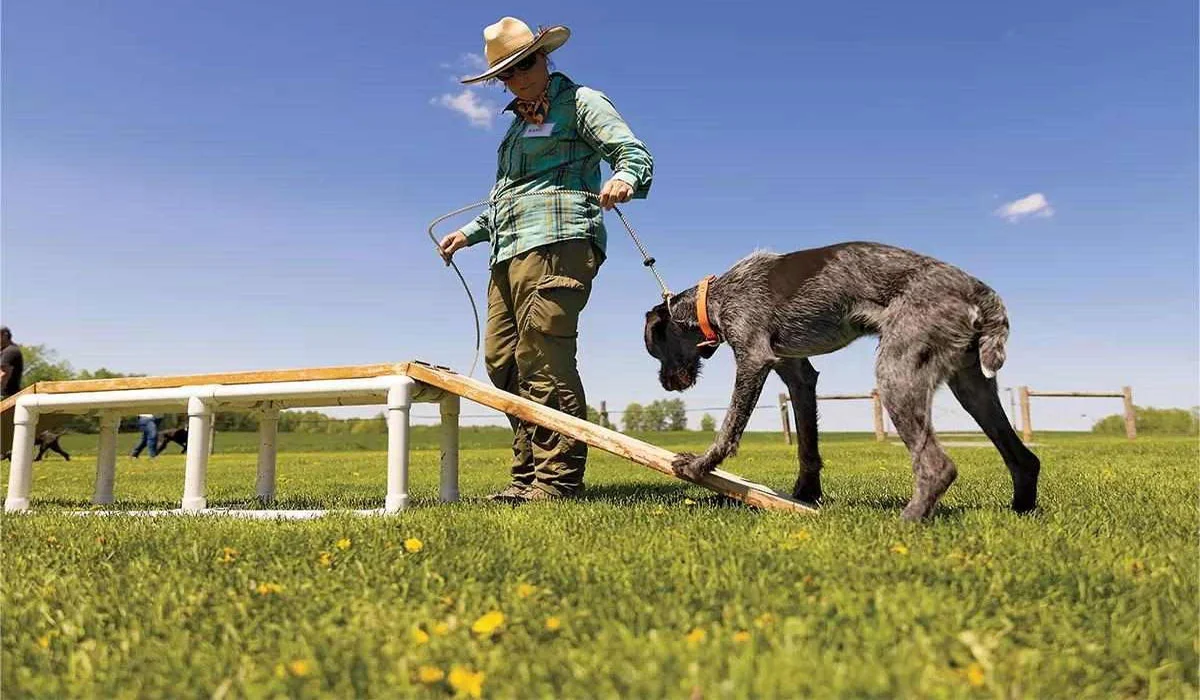
Other training aids, such as target sticks or agility tools, can enhance the training experience. These tools add variety and challenge, helping dogs develop both mentally and physically.
Crates and Training Spaces
Crates are valuable tools for house training and creating a safe space for your dog. When used correctly, they provide comfort and security rather than punishment.
A properly sized crate allows your dog to stand, turn, and lie down comfortably. It can also help establish routines and prevent destructive behavior when unsupervised.
Designating a specific training area at home helps reinforce structure and consistency. A calm, distraction-free environment allows your dog to focus and learn more effectively.
Conclusion
Dog training equipment plays a crucial role in shaping your pet’s behavior and strengthening your bond. From collars and leashes to treats, clickers, and crates, each tool serves a unique purpose in the training process.
By using these tools consistently and responsibly, you can create a positive and effective training experience. The goal is not just obedience but building trust, communication, and mutual understanding.
As you continue your dog training journey in 2026, remember that patience and consistency are just as important as the tools you use. With the right approach, you can raise a well-behaved, happy, and confident dog.
- First Image from sportdog.com
- Second Image from happydogtraining.info