HutuatreChagau275
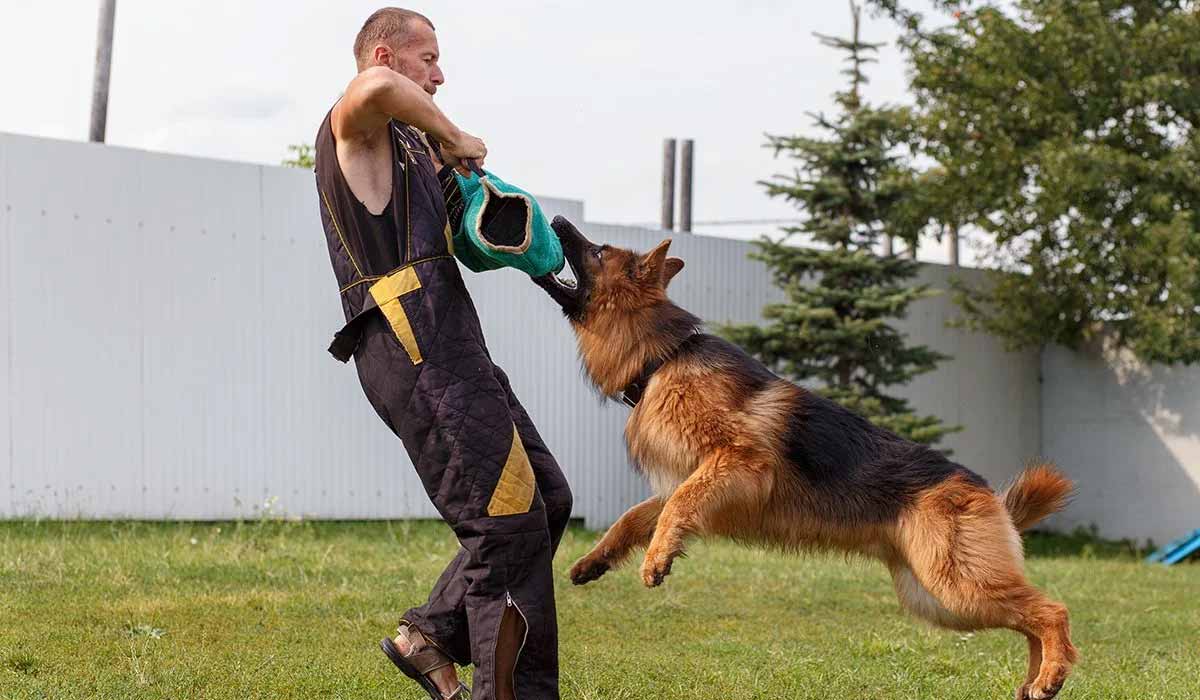
Aggressive dog training helps owners manage and rehabilitate dangerous behavior using structured techniques, discipline.
Aggressive dog behavior can create serious risks for owners, families, and surrounding communities. Many dogs show aggression due to fear, trauma, poor socialization, or environmental stress. Proper training helps transform these behaviors into controlled responses. Owners must take responsibility early and apply consistent methods to prevent escalation.
The following Fayetteville Dog Training will discuss about Aggressive dog training helps owners manage and rehabilitate dangerous behavior using structured techniques.
Understanding the Root Cause of Aggression
Aggression in dogs never appears without reason. Dogs often respond aggressively when they feel threatened or confused. Some dogs develop this behavior due to past abuse, while others react because they lack proper social exposure during early growth stages.
Owners must observe triggers carefully. Loud noises, unfamiliar people, or territorial intrusion can activate aggressive reactions. By identifying these triggers, trainers can design a focused training plan that addresses specific behavioral issues.
Professional trainers often evaluate both environment and history before starting rehabilitation. They analyze body language, reaction timing, and emotional stress signals. This approach helps create a structured foundation for long-term behavior correction.
Building Control Through Basic Obedience
Basic obedience forms the foundation of aggressive dog training. Dogs must learn commands such as sit, stay, and leave it before advancing to more complex control techniques. These commands help establish communication between owner and dog.
Consistency plays a critical role in this stage. Owners must repeat commands daily and reward correct responses immediately. This repetition strengthens discipline and reduces impulsive reactions in stressful situations.
Training sessions should remain short but frequent. Long sessions often increase frustration and reduce focus. By keeping training structured, dogs gradually build trust and understand expected behavior patterns.
Also Read: Dog Behavior Secrets: Barks, Body Language, and Signals
Socialization Techniques for Aggressive Dogs
Socialization helps aggressive dogs adapt to different environments. Trainers introduce controlled exposure to people, animals, and public spaces. This process reduces fear-based reactions and increases confidence.
Owners must start socialization slowly. Sudden exposure to crowded or loud environments can worsen aggression. Gradual introduction allows dogs to process new experiences without stress.
Positive reinforcement strengthens social behavior. Treats, praise, and calm encouragement help dogs associate new experiences with safety. Over time, dogs begin to replace aggression with calm responses in social settings.
Behavior Correction Strategies in Real Situations
Real-world training situations help dogs apply learned behavior. Trainers often simulate controlled triggers to test obedience and reaction control. These exercises improve discipline under pressure.
Owners must maintain calm energy during correction sessions. Dogs often mirror human emotions, so panic or anger can worsen aggression. Clear communication ensures better results during training.
Safety remains a priority in every session. Trainers often use leashes, barriers, or controlled environments to prevent harm. Structured exposure helps dogs build confidence while maintaining safety for everyone involved.
Long-Term Maintenance and Owner Responsibility
Aggressive dog training does not end after initial improvement. Dogs require continuous reinforcement to maintain stable behavior. Without regular practice, old habits can return.
Owners must stay consistent with rules and routines. Mixed signals confuse dogs and weaken training progress. Clear expectations help dogs understand boundaries in everyday situations.
Long-term success depends on commitment. Owners who invest time in daily interaction and structured training create stronger bonds with their dogs. This relationship reduces aggression and builds mutual trust over time.
Image Information Source:
- Main Image from World Animal
- Second Image from Hilton Butler